Daniel Wong

  • START HERE
  • ARTICLES
  • ABOUT
    • About Daniel & This Website
    • Daniel’s Features & Interviews
    • Free Resources
  • WORK WITH ME
    • Coaching for Teens
    • Testimonials
  • PRODUCTS
  • CONTACT

Sleep Hygiene for Teens: Proven Ways for Teens to Get Better Sleep

November 18, 2025 By Daniel Wong 1 Comment

Sleep Hygiene for Teens: How to Get Better Sleep

It’s 11:00 pm. You’re still scrolling through your phone, telling yourself, “Just five more minutes.”

Then all of a sudden, it’s midnight, and your brain is somehow more awake than it was an hour ago.

Sound familiar?

Late nights make mornings miserable. When you wake up tired, focusing in class or during activities becomes impossible.

But getting enough rest isn’t always as simple as going to bed earlier. Distractions can easily keep you up. And even if you do make it to bed on time, you might toss and turn instead of drifting off to sleep right away.

Sleep hygiene for teens is all about building healthy habits that make it easier to fall asleep, stay asleep, and wake up refreshed.

These practical tips will help you give your mind and body the rest they need.

(Don’t forget to download your free quick action guide below.)

FREE QUICK ACTION GUIDE: 

12 Guaranteed Ways for Students to Improve Focus and Reduce Procrastination (Cover)

Get your FREE copy of

12 Guaranteed Ways for Students to Improve Focus and Reduce Procrastination. 

The guide has already been downloaded thousands of times, so don't miss out!

Why do teens stay up late?

Teens stay up too late for several reasons, and most of them stem from habits and lifestyle choices.

After a long day of school, extracurriculars, and homework, nighttime can feel like your only chance to relax. That’s when activities like scrolling through social media, gaming, or chatting with friends can push past bedtime.

Many of these activities also involve screen time, which makes things worse. According to the Sleep Foundation, using screens at night can delay the release of melatonin. This is the hormone that helps you fall asleep. As a result, you may find yourself staying awake much later than planned.

Additionally, biology plays a role. During puberty, hormonal changes naturally push the body’s internal clock later, often by an hour or two. That’s why you might not feel sleepy until significantly later.

With all these factors at play, the relationship between teens and sleep can be complicated. But understanding why this happens is the first step to better rest.

Why do teens need more sleep?

Why do teens need more sleep?

Teens need about 8 to 10 hours of sleep each night.

During this stage of life, you are undergoing rapid physical and mental growth. So, sleep isn’t just “rest time” for your body; it’s when your brain and body do some of their most important work.

Here’s why sleep is so important for teens:

  • Better focus and learning: Sleep supports brain development. It also strengthens memory and helps your brain process what you learned during the day. This means you can absorb new information and feel more confident in your learning.
  • Stronger mood regulation: Without enough sleep, it’s easy to feel cranky or anxious. A good night’s rest helps you manage stress, control emotions, and handle challenges more calmly.
  • Improved performance: Sleep can enhance your performance in sports, music, and other activities. Proper rest sharpens your reaction time, creativity, learning, and overall performance.
  • Healthy growth and development: Your body needs sleep for important functions. Sleep helps to support growth, repair muscles, and keep you energized for the next day.
  • Stronger immune system and long-term health: Sleep gives your body the time it needs to recharge and fight off illnesses. It also supports a healthy heart, balanced metabolism, and overall well-being.

Sleep deprivation in teens is more common than you might think.

When you consistently get less than 8 hours of sleep, the effects build up over time. You might notice yourself feeling more irritable, struggling to concentrate, or getting sick often.

The good news? Once you start prioritizing sleep, your body can recover, and you’ll typically begin feeling better within a few days.

Why do teenagers sleep so much on weekends?

Why do teenagers sleep so much on weekends?

If you find yourself sleeping until noon on Saturdays, you’re probably dealing with what’s known as “sleep debt.”

When you don’t get enough rest during the week, your body tries to catch up on weekends.

While recovery sleep can help you feel better temporarily, it’s not a long-term solution. The goal is to get consistent, quality sleep every night so you don’t need to crash on weekends.

In short, getting enough sleep isn’t just about avoiding morning grogginess. It’s essential for supporting your body’s rapid growth during the teenage years and protecting your health in the long run.

Sleep hygiene habits for teens that actually work

Sleep hygiene means building habits and creating an environment that helps you get high-quality sleep every night.

You don’t have to completely overhaul your life to improve your sleep hygiene. Even a few small changes to your routine can make a huge difference in how quickly you fall asleep and how rested you feel the next morning.

Let’s explore some practical sleep hygiene tips for teens.

Set a consistent bedtime and wake-up time

Your body works best on a routine. Going to bed and waking up at the same time every day, even on weekends, helps to keep your internal clock on track.

Start by setting a realistic bedtime and sticking to it as consistently as you can. Try not to shift your sleep schedule by more than an hour, even if it’s tempting to stay up late on weekends.

When you keep a steady routine, your body begins to recognize when it’s time to wind down. You’ll naturally start feeling sleepy around bedtime. This makes it easier to fall asleep and wake up feeling refreshed the next morning.

Create a pre-sleep routine

A calming bedtime routine signals to your brain that it’s time to get ready to sleep.

Pick one or two self-care activities that help you feel calm. Examples include reading a book, listening to soft music, taking a warm bath, or doing some light stretching.

Avoid anything too stimulating before bed. Activities like doing homework, watching an intense show, or playing a fast-paced game might make you stressed or excited.

Once you’ve found what works for you, commit to doing it for about 30 to 60 minutes before bedtime. Over time, this routine will train your body and mind to shift into “sleep mode” easily.

Limit screen time at least 30 minutes before bed

Limit screen time at least 30 minutes before bed

Phones, tablets, and laptops give off blue light, which can interfere with the production of melatonin. As a result, your brain may find it harder to wind down at night.

To avoid this, try putting away your devices at least 30 to 60 minutes before bed. Use that time to do something relaxing that doesn’t involve screens, such as reading, journaling, or listening to calming music.

If that feels challenging, start small. Try going screen-free just 10 minutes before bed and gradually increase the time every one or two weeks.

Keep your room cool and dark

Your sleep environment matters more than you might think.

If your bedroom is too bright, your body may still think it’s daytime, which can lower melatonin levels and make it harder to fall asleep. Your body also needs to cool down to get good quality rest.

Here are a few ways to create a sleep-friendly environment:

  • Use blackout curtains or a sleep mask to block out light.
  • Keep your room cool with an air conditioner or fan.
  • Use earplugs or a white noise machine.
  • Turn off your devices or mute notifications before bed.

Avoid caffeine in the late afternoon and evening

Energy drinks, coffee, and some sodas contain caffeine. Caffeine stays in your system for hours, keeping you awake long after the time you intend to go to bed.

Try switching to caffeine-free drinks in the late afternoon and evening. Avoid caffeine for at least 6 to 8 hours before going to bed.

In general, teens should also limit their daily caffeine intake to under 100 mg, which is approximately equivalent to one cup of coffee.

Don’t nap too late in the day

Naps can boost energy and focus, but long or late naps can make it harder to fall asleep at night.

If you really need to nap, keep it short. Set an alarm to wake you up after 20 to 30 minutes. Make it a point to nap earlier in the afternoon rather than close to bedtime. That way, you’ll still feel refreshed during the day without disrupting your nighttime sleep.

Tips to promote better sleep quality

In addition to improving your sleep hygiene, other lifestyle habits can help you fall asleep faster and enjoy deeper sleep.

Use your bed only for sleep

Reserve your bed strictly for sleeping. Avoid using it for other activities, such as studying, scrolling through your phone, or watching shows.

When your brain associates your bed only with sleep, it becomes easier to relax and drift off when you get into bed.

If you enjoy reading, journaling, or listening to music, try doing those activities in another cozy spot, like a sofa or chair. Only move to your bed when you’re ready to sleep.

Exercise during the day

Exercise during the day

Regular physical activity can significantly improve the quality of your sleep. Exercise helps reduce stress and promotes deeper, more restorative sleep.

Teens should get about 60 minutes of exercise daily. But if that feels overwhelming, start small. Try 30 minutes of activity on most days and gradually build up from there.

Just remember to avoid intense workouts close to bedtime, as they can leave you feeling energized rather than sleepy.

Manage stress before bed

Maybe you’re lying in bed replaying an awkward conversation from lunch, or you can’t stop thinking about tomorrow’s biology test. When your mind races like this, falling asleep becomes nearly impossible.

Here are some ways to manage stress and clear your mind before bedtime:

  • Create a to-do list to organize your thoughts and reduce mental clutter.
  • Do deep breathing exercises.
  • Write in a journal to release your worries or reflect on your day.
  • Practice gratitude by reflecting on a few positive things that happened.
  • Listen to calming music or nature sounds.

Consider using a sleep tracker

If you’re curious about your sleep patterns, using a sleep tracker can provide valuable insights.

Many phone apps and smartwatches can track how long and how deeply you sleep, helping you understand your sleep patterns better. They can also show how certain habits, such as exercise, caffeine intake, or screen time, impact your sleep.

With this information, you can make small but effective adjustments to improve your overall sleep quality.

Conclusion

Building better sleep habits is just the beginning. When you learn how to take charge of your routines, you don’t just sleep better. You also think more clearly, handle stress with confidence, and feel more in control of your life.

Through my 1:1 coaching program, I’ve helped teens transform not just their sleep, but their entire approach to school, stress, and life. If you’re ready to build habits that actually stick and create lasting change, I’d love to help!

(And if you haven’t already downloaded your free quick action guide, you can get it below.)

FREE QUICK ACTION GUIDE: 

12 Guaranteed Ways for Students to Improve Focus and Reduce Procrastination (Cover)

Get your FREE copy of

12 Guaranteed Ways for Students to Improve Focus and Reduce Procrastination. 

The guide has already been downloaded thousands of times, so don't miss out!

Filed Under: Balance, Health, Teens

35 Fun and Healthy Hobbies For Teens to Try in Their Free Time

Updated on September 26, 2025 By Daniel Wong Leave a Comment

Hobbies for teensDo you instinctively reach for your phone the moment boredom strikes?


Are you looking for healthier and more engaging ways to spend your free time?

If so, you’re in good company. Lots of teens today want hobbies that are fun, creative, and genuinely fulfilling. These activities can also be a good way to learn new skills, make friends, and boost happiness.

In this article, I’ll share a collection of perfect hobbies for teens. Some are classics everyone loves, while others are more niche.

(If you want to improve your focus and reduce procrastination, make sure to download the free quick action guide below.)

FREE QUICK ACTION GUIDE: 

12 Guaranteed Ways for Students to Improve Focus and Reduce Procrastination (Cover)

Get your FREE copy of

12 Guaranteed Ways for Students to Improve Focus and Reduce Procrastination. 

The guide has already been downloaded thousands of times, so don't miss out!

Why hobbies matter for teens

Hobbies aren’t just a way to fill up your free time. They can also build your confidence and shape the person you become.

Some benefits of exploring healthy and creative hobbies include:

  • Discovering new interests and passions
  • Developing valuable skills, like time management and teamwork
  • Building new and meaningful connections
  • Boosting confidence and self-worth
  • Increasing sense of fulfillment and achievement
  • Improving mental and emotional well-being
  • Lowering stress and improving emotional regulation

The key is finding hobbies that are meaningful and engaging for you, so you always have something to look forward to.

How to choose the right hobby

Finding a hobby that suits you is all about experimentation. Here’s how you can start looking for something that sparks your interest:

  • List activities that catch your eye. Do a quick online search or ask friends and family for recommendations. Write down anything you’re curious about, whether it’s music, sports, art, or something entirely new.
  • Check your time and budget. Choose hobbies that fit comfortably into your schedule so they don’t interfere with your studies or other important commitments. Make sure they’re also financially sustainable, so you won’t have to stretch your finances to enjoy them.
  • Experiment freely. Try different activities with the mindset that you’re exploring, learning, and growing. You don’t need to commit too much time or money at first, so there’s no pressure to stick to something you don’t enjoy. Remember that it’s perfectly normal for your hobbies to change as your interests evolve.

Take your time when exploring different hobbies. The right one should keep you motivated, energized, and excited enough to come back for more.

It should also add a little extra joy and meaning to your life.

Best hobbies for teens

Creative & artistic hobbies

Whether you want to be creative, stay active, or connect with others, there’s a hobby out there that fits the bill.

Let’s explore some of the best hobbies for teens.

Creative & artistic hobbies

Creative hobbies are some of the most rewarding ways to spend your free time.

These activities can be both relaxing and inspiring. They allow you to explore your imagination, express your thoughts and emotions, and see the world in new ways.

Drawing/painting

Creating art can be done using various tools, including pencils, pens, markers, paint, watercolors, or digital tools. This activity can boost creativity, enhance fine motor skills, and provide an outlet to express yourself.

Starter supplies are usually accessible and affordable, and there are plenty of tutorials online.

Photography

Capturing photographs helps you see the world from fresh perspectives and stay present in the moment. It’s also a great way to sharpen your observational skills and develop your storytelling abilities.

Additionally, photography allows you to preserve precious memories and moments. This means this skill might come in handy at parties, birthdays, weddings, and other special events.

You don’t need a professional camera when you’re just starting out. A basic phone camera is more than enough. If you’d like, you can invest in a beginner-friendly camera for about $300-$600 and slowly upgrade your gear as your skills improve.

Writing/journaling

There are many forms of writing to explore, from creative stories and poetry to journaling and non-fiction. This hobby helps you enhance your communication skills and practice self-reflection.

Getting started with writing is really simple, as all you need is a notebook or a writing program like Microsoft Word.

Music

Playing an instrument, singing, producing music, or songwriting are all great ways to immerse yourself in the world of music.

Building your musical skills can enhance mood, boost memory, and reduce stress. It can also be a social activity through bands or choirs.

Music or singing lessons can be a bit pricey, but there are many free resources and videos available online to help you get started.

Crafting

Crafting Hobbies for Teens

This includes DIY projects such as knitting, crocheting, jewelry making, pottery, or clay sculpting.

Using your hands to create something new and beautiful can boost your creativity and problem-solving skills. The pieces you create might even serve a useful purpose or make for a heartfelt gift.

Best of all, many of these projects require only simple, affordable, and easy-to-find materials.

Cooking

Learning to cook is one of the most valuable life skills for teens to pick up. Plus, the dishes you make can be enjoyed and shared with friends and family.

You can experiment with cooking by trying popular recipes you find online. Other ways to get started include hosting small cooking sessions with friends or joining a cooking class or club.

It doesn’t take much to try cooking, since you likely already have the basic equipment in your kitchen. If you’re unsure of where to start, ask your parents if you can help them make dinner.

Physical & outdoor hobbies

If you’re feeling adventurous or sporty, physical and outdoor hobbies are an excellent way to take a healthy break from screens.

They offer many benefits, from improving your health to enhancing your mood, to reducing stress, and connecting with nature.

Running

Running is a popular and accessible hobby that can boost your heart health, stamina, and mental well-being.

You can enjoy it solo for some quiet time or run with friends for extra motivation. And if you love a good challenge, you can gradually aim for faster personal records and work toward beating your own.

All you need to get started are comfortable shoes, breathable clothing, and a safe route to run on.

Cycling

Cycling offers plenty of health benefits. Examples include strengthening your muscles, improving your coordination, and enhancing your posture. It’s especially enjoyable when you can explore scenic trails or join group rides with friends.

To get started, you need a reliable bike and a high-quality helmet. A decent bike typically starts at around $700-$800, which can be pricey for students. But you can often find good secondhand bikes for much less.

Skateboarding

Skateboarding - teen sport

Looking for an activity that combines creativity with physical challenges?

If so, you can give skateboarding a try. This hobby can improve your balance and coordination. It also allows you to be creative through the different tricks you learn.

Getting started is pretty simple. All you need is a quality skateboard, helmet, knee pads, and other safety gear.

Hiking

If you love spending time in nature, give hiking a go. It boosts heart health, strengthens muscles and joints, relieves stress, and reduces anxiety. Exploring new trails also creates a sense of adventure, especially when done with friends.

You may need gear such as hiking boots, gloves, a backpack, weather-appropriate clothing, and trekking poles. You can start with easier routes and gradually upgrade your equipment as you take on more challenging hikes.

Pilates

Pilates is an everyday stress-relief activity that combines controlled movements, core strengthening, and focused breathing. Through this practice, you can work on improving your posture, stability, flexibility, and overall body awareness.

All you need to get started is a mat and a comfortable space. You can join classes at a studio or gym, or you can learn at home by following free tutorials online.

Gardening

Growing plants and vegetables can help you develop patience and a sense of responsibility. Plus, watching your plants bloom and thrive is a rewarding experience in itself.

Gardening can also be a practical life skill. Depending on what you grow, you can enjoy your harvest or share it with friends and family.

Basic tools and seeds are affordable, and you can choose to garden either indoors or outdoors. If you don’t have access to a garden, consider smaller planters for your balcony or windowsill.

Tech & intellectual hobbies

If you enjoy challenging your mind or working with technology, the following hobbies can be both fun and rewarding.

Coding

Learning to develop websites, apps, and software can be an interesting experience. You’ll also get to improve your problem-solving skills, logic, and attention to detail. Additionally, learning to code can be beneficial for your future career or endeavors.

It’s affordable and easy to start. There are plenty of free resources, courses, and videos online to help you pick up the basics. Codecademy, for example, is a great place to start.

Chess

Chess as a hobby

If you enjoy challenging yourself and thinking strategically, you should give chess a try. This board game will help sharpen your critical thinking skills.

There are a few options for you to start dipping your toes into this hobby. You can play online against other players or bots, join a school club or local community, or even ask your friends or family to teach you chess.

If you want to get started right away, Chess.com makes it easy to create an account, learn the game, and start playing against people from all over the world.

3D printing

Creating pieces with a 3D printer can be a fun activity that blends design and technology. It’s bound to build your creativity and technical skills.

You can experiment with creating a wide range of items, from pen holders and phone cases to fidget toys, vases, and lampshades.

This hobby can be costly since 3D printers, including budget or entry-level models, typically start at around $100-$400. However, they offer endless possibilities for custom creations.

If you already have a 3D printer and want to get started, check out Thingiverse for designs.

Learning a new language

Learning a new language is a fun and engaging way to strengthen your memory and improve your communication skills.

This hobby is perfect for those who enjoy traveling or connecting with people from different countries and cultures.

Getting started is simple. That’s because there are countless resources, apps, online courses, and textbooks available for free or at low cost. Duolingo is one of the most popular and fun to use.

Astronomy

Do you enjoy stargazing or learning about cosmic events? If so, you can look into building a hobby around astronomy. This activity typically involves studying the stars, planets, constellations, and space.

You can jump right into this hobby by getting a simple pair of binoculars and looking up a sky chart or star map online. A telescope isn’t essential, but you may consider getting one as you become more familiar with navigating the night sky.

Reading

Reading is a timeless hobby

Reading is a timeless hobby that offers numerous benefits. This includes expanding your vocabulary and enhancing your storytelling skills.

You can dive into fictional worlds to spark your imagination or explore the non-fiction genre to gain new knowledge.

Books are usually affordable, and you can also borrow them from your school library or get a membership at your local library. You can also try different formats, such as e-books, physical books, or audiobooks, to determine which one you enjoy most.

Social & community hobbies

Looking to expand your social circle and make new friends with similar interests?

The following hobbies help you forge new connections. You’ll also gain opportunities to share advice and experiences, and become a more effective team player.

Theater

Acting, directing, scriptwriting, or stage production are all valuable skills to have. They may help build your confidence and creativity.

School or community theater groups are a good place to start.

Dancing

Dancing improves your fitness, coordination, and mood, making it a suitable activity for many teenagers.

You have numerous choices when it comes to dancing, including hip-hop, ballroom, and contemporary.

Classes and school clubs can help you learn the ropes quicker, but you can also watch online tutorials for free.

Volunteering

Volunteering helps you develop essential skills in communication, leadership, and social interaction. In addition, it fosters empathy and a sense of responsibility. It’s also incredibly rewarding to know you’re making a positive impact in the lives of others.

Opportunities for volunteering can vary widely. Examples include helping out at animal shelters or supporting local events. Most of these experiences are free to participate in.

Clubs

Joining interest-based clubs, such as robotics, debate, dance, or art groups, is a fun way to expand your social circle while learning new skills.

Many schools offer these clubs, and they’re often available at little to no cost.

Content creation

Creating and editing videos, blogs, or podcasts helps improve your creativity and technical skills over time. You can also work on building an online presence and connecting with an audience through the media you share.

A smartphone and free editing tools are all you need to get started.

Hobbies for teen girls

Before we dive deeper into this category of hobbies, keep in mind that many aren’t limited by gender.

While there are hobbies that teen girls tend to gravitate toward, boys can also pick up and enjoy some of them too.

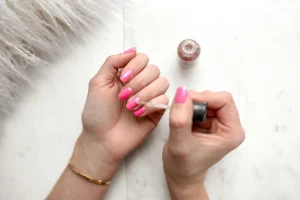
Nail art

Nail Art - hobbies for teen girls

Nail art is a fun way to express your creativity through different designs, patterns, and colors. Your skills might even open the door to a small business opportunity in the future.

All you need is basic nail polish and a brush. As you learn new techniques, you can invest in more materials, like stencils, rhinestones, extensions, and stickers.

Makeup

Makeup can be both a creative and practical hobby. It’s a skill that can boost your confidence and lead to future career opportunities in the beauty and fashion industry.

Makeup can be pricey. However, you can start with a few essential products and tools and watch free tutorials online to learn the basics.

Scrapbooking

Scrapbooking is a popular method for preserving memories. It’s also a way to express yourself using photos, stickers, stamps, and decorative paper. It helps you develop an eye for design and attention to detail, and you can even create scrapbooks as heartfelt gifts for friends and family.

It’s also an affordable hobby to dive into. You can start with just a few supplies and gradually expand your collection over time.

Hair styling

Hair styling is the perfect hobby to pick up if you love experimenting with braids, curls, dyes, and updos. It allows you to express your creativity while also giving you a practical skill that can come in handy for special occasions or events.

You can practice hair styling on a mannequin head before trying it out on yourself or other people.

Clothing making/fashion designing

Designing and making clothing or fashion accessories is an exciting and fulfilling hobby. It’s an amazing feeling when you get to see your creations come to life. It can also create future opportunities in the fashion industry.

There are many ways to get into clothing making. You can start by learning how to sew, knit, or crochet, and by experimenting with different patterns and materials.

Baking

Baking as a hobby for teens

Baking is one of the most rewarding hobbies on this list and also a useful skill to develop. It helps you build patience, precision, and attention to detail. You also get to enjoy the results of your hard work and share them with family and friends.

Getting started is affordable and simple with plenty of free recipes available online.

Hobbies for teen boys

These are hobbies that tend to be especially popular with teenage boys, but girls can give them a try too.

BMX riding

BMX riding is an exciting way to stay active while challenging yourself in various ways. This hobby helps build coordination and determination.

Safety is key, so be sure to invest in quality protective gear and a reliable bike. It’s also crucial to keep it well-maintained and in good condition.

By joining a local BMX club, you can gain valuable guidance, support, and opportunities to improve your skills.

Weightlifting

Weightlifting enables you to increase your strength and develop discipline. You may also have the opportunity to connect with and seek support from others who share the same passion for fitness.

To ensure your safety, begin with lighter weights and simple exercises. While you do so, you can focus on learning the proper form and technique to prevent injury.

For more information, check out the many YouTube channels that give out great free information, such as Jeremy Ethier’s channel.

Martial arts

Martial arts can teach self-defense, discipline, and focus. They’re also excellent for improving your fitness and confidence.

Many local gyms and studios offer beginner-friendly classes, so you can try different forms of martial arts to see what you like best.

Fishing

Fishing - teen outdoor hobbies

Fishing is a relaxing hobby that allows you to connect with nature and develop patience. It also makes for a great bonding activity with friends or family.

It can be a bit costly to start, since you’ll need a fishing rod, basic gear, and access to a good fishing spot. Be sure to also check local regulations and laws before fishing in any location.

Woodworking

Woodworking gives you the chance to craft furniture, decorations, and practical items with your own hands. It’s a hobby that enhances creativity and attention to detail.

You can start small with basic tools and beginner projects, then gradually work your way up. Free video tutorials are widely available online, and your local library may also have helpful woodworking books.

Drones

Flying drones blends technology with outdoor fun. You can capture breathtaking aerial photos and videos, or simply enjoy the challenge of learning how to maneuver a drone.

It can be pricey, as beginner models usually range from $200-$500. But it’s a rewarding experience. Before flying, it’s advisable to check your local regulations.

Conclusion

The hobbies you choose today can shape the person you become tomorrow.

Consider this: Warren Buffett credits his teenage hobby of reading financial reports with launching his investment career. Serena Williams began playing tennis at the age of three. Mark Zuckerberg began coding in middle school.

But here’s the key insight: it’s not about finding the “perfect” hobby or the one that looks best on college applications. It’s about discovering activities that genuinely energize you and help you grow.

Feel free to try out a couple of hobbies from the list until you find one that feels enjoyable and fulfilling.

Not only will this bring you joy in the present, but it can also help you build valuable skills and cultivate values that will benefit you for years to come.

If you want some guidance in discovering your passions and getting on the right track, I’m here to help.

My coaching program for teens will empower you to explore your interests, build your confidence, and develop the skills you need to thrive!

(If you haven’t already downloaded your free quick action guide, get your copy below.)

FREE QUICK ACTION GUIDE: 

12 Guaranteed Ways for Students to Improve Focus and Reduce Procrastination (Cover)

Get your FREE copy of

12 Guaranteed Ways for Students to Improve Focus and Reduce Procrastination. 

The guide has already been downloaded thousands of times, so don't miss out!

Filed Under: Goals, Happiness, Health, Learning, Personal Growth, Planning

Self-Care for Teens: 13 Activities to Reduce Stress and Boost Happiness

Updated on September 30, 2025 By Daniel Wong 2 Comments

Self-Care Activities for Teens

Do you sometimes feel like you’re running on empty but don’t know how to hit pause?

Juggling school, exams, activities, and household responsibilities can make daily life feel overwhelming.

And when things get hectic, it’s easy to forget about your mental and physical well-being.

That’s where self-care comes in.

It allows you to slow down, recharge, and care for yourself so you’re ready to tackle whatever comes next.

In this article, we’ll explore some simple and effective self-care activities for teens. By building these self-care habits now, they’ll become second nature.

This foundation will make it easier to manage stress and maintain a more balanced, healthy lifestyle in the future.

(And if you want to improve your focus and reduce procrastination, make sure to download your free quick action guide below!)

FREE QUICK ACTION GUIDE: 

12 Guaranteed Ways for Students to Improve Focus and Reduce Procrastination (Cover)

Get your FREE copy of

12 Guaranteed Ways for Students to Improve Focus and Reduce Procrastination. 

The guide has already been downloaded thousands of times, so don't miss out!

Why self-care matters (especially for teens)

As a teenager, self-care might feel like something you can put off. You’re young, full of energy, and probably busy with school, activities, and other commitments.

But constantly pushing forward without taking time to rest and recharge can take a toll on your mental and physical health.

The earlier you start building this essential life skill, the more you’ll benefit both now and in the future.

Here are some key benefits of practicing self-care for teens:

  • Reducing burnout and exhaustion: Taking time to recharge means you’re less likely to feel drained, tired, or overwhelmed.
  • Boosting your mood: Self-care can help you feel calmer and empower you to handle tough emotions. Research shows that it is linked to reduced stress and better mental health.
  • Improving focus and motivation: Stress or fatigue can affect your focus. You’ll find it easier to concentrate at school or during activities when you’re well-rested.
  • Enhancing physical health: Taking care of your body can help you maintain good health. You can do this through rest, a balanced diet, and stress management.
  • Building resilience: Being healthy gives you the strength and capacity to take on challenges. You’ll be able to bounce back from challenges, stay calm under pressure, and make decisions with clarity and confidence.

While building self-care habits takes time, effort, and sometimes a little money, it’s worth it. Investing in yourself now will ultimately lead to a more fulfilling and meaningful life.

Self-care ideas and activities for teens

Self-care doesn’t need to be time-consuming or expensive. It’s really about making small, intentional choices that help you feel better, inside and out.

Self-care is most effective when it becomes a consistent part of your routine.

The key is choosing habits that are realistic and easy to stick with. Let’s explore some self-care tips and ideas for teens.

Physical self-care activities

The teen years are a time of huge change. Taking care of your body now helps support your growth and builds a strong foundation for good health.

The following are some self-care ideas to help you maintain your physical wellness.

Get the sleep you need

Teenage boy sleeping

According to the National Sleep Foundation, teenagers need 8-10 hours of sleep each night.

Getting enough sleep helps your brain recharge, sharpens your focus, and lifts your mood.

To get better sleep, you can:

  • Stick to a consistent sleep schedule.
  • Create a wind-down routine, like reading, listening to music, practicing skincare, or taking a warm bath.
  • Put your devices away an hour before bed.
  • Create a dark, cool, and comfortable bedroom environment.

Fuel your body with real food

If you often feel tired or low on energy, it could be a sign that your body isn’t getting the nutrients it needs.

Eating balanced meals with enough fiber, protein, and whole grains provides your body with the fuel it needs to grow, stay strong, and feel good.

Even small steps, like drinking more water or adding more fruits and vegetables to your meals, can make a significant difference over time.

Move in ways that make you feel good

Regular exercise improves heart health, strengthens bones, and boosts energy levels. It also supports mental health by lowering stress and anxiety, while boosting self-esteem.

Experts recommend about 60 minutes of physical activity on most days of the week.

But you don’t need to hit that number right off the bat. Start small with something you enjoy, like walking, cycling, or trying a new sport, and build from there.

The key is to make movement a regular part of your life. Sticking with it is easier when it’s fun and fits your lifestyle.

Mental self-care activities

Taking care of your mind is as important as caring for your body.

Mental self-care helps you manage stress and remain resilient, even when experiencing change or pressure.

Here are some self-care tips for teens to improve their mental well-being.

Practice mindfulness to stay present

Journal your thoughts and feelings

Mindfulness is about staying present and being aware of your thoughts and feelings without judging them.

There are many different ways to incorporate mindfulness into your daily life, including the following:

  • Try deep breathing. Inhale slowly, hold your breath, and exhale. Do this a few times to calm your mind.
  • Go for a mindful walk. Focus on your steps, your breathing, and your surroundings.
  • Do a quick body scan. Close your eyes and notice how each part of your body feels.
  • Journal your thoughts. Write about how you’re feeling or what’s on your mind.
  • Eat without distractions. Focus on the taste, smell, and texture of your food.

Be kinder to yourself with positive self-talk

The way you talk to yourself has a big impact on how you feel.

Pay attention to your inner voice. Are you being overly critical or negative?

If so, try to shift that voice to one that’s more supportive.

Talk to yourself like you would to a close friend. Over time, this will boost your confidence and emotional well-being.

Find coping tools that work for you

Coping strategies help you manage stress and challenges in a healthy way.

Some examples of healthy coping strategies include exercising, drawing, playing music, or journaling.

Your coping mechanism can even be as simple as listening to calming music, taking a warm bath, or cuddling a pet.

The key is to experiment with different strategies until you find one that works for you.

Express your emotions in healthy ways

Bottling up your emotions can build stress and make you feel overwhelmed. Instead of keeping everything inside, try different ways to release your feelings.

You could write in a journal, create music or art, or simply talk to someone you trust, like a parent, teacher, or school counselor.

Finding healthy ways to express and process your feelings can help prevent negative emotions from building up.

The more you practice this, the easier it becomes to handle tough situations with a clear mind and a calm attitude.

Social self-care activities

Social self-care is about building healthy relationships that make you feel safe and understood.

Like any skill, maintaining these connections takes time, effort, and practice.

But caring for your social well-being will also help you build confidence and create a support network you can lean on.

Spend time with people who “get” you

Spend time with people who “get” you

Hang out and connect with people who make you feel safe and supported, whether that’s your parents, close friends, relatives, or mentors.

You can catch up over a meal, go for a walk, play a game, or chat about life. What matters most is being present and enjoying each other’s company.

If you’re struggling to find people who understand you, don’t worry. Building healthy connections takes time.

You can try joining school clubs, volunteer groups, or local events. You may also consider speaking with a counselor or trusted adult for support.

And remember not to focus too much on yourself. If you want people to “get” you, you also need to put in the effort to understand others and support them.

Set boundaries to protect your energy

Setting boundaries is often overlooked, but it is a key part of building healthy relationships.

Some examples of ways to set healthy boundaries include:

  • Saying no to events or activities if you’re too tired or busy
  • Replying to messages when you’re available to, instead of being available 24/7
  • Speaking up about hurtful behavior
  • Not giving in to peer pressure and not doing things that make you uncomfortable

Remember that protecting your time, energy, and emotions is not selfish but necessary.

When you set clear boundaries, you create space for relationships in which each person’s needs and limits are respected.

Creative self-care activities

Being creative is a great way to unwind, lower stress, and enjoy yourself. Creative activities also provide a healthy outlet for expressing your thoughts and emotions.

Here are some ways you can spark your creativity.

Try a new hobby (or rediscover an old one)

Try or rediscover hobbies

Trying out a new hobby is an excellent way to hone your creativity while learning a new skill.

There are plenty of new hobbies you can try, such as baking, photography, or learning to play a new sport or musical instrument.

Use creativity to process your emotions

Research shows that creative activities can improve mental health. They do so by boosting your mood, reducing stress, and helping you feel more confident.

So don’t be afraid to try different forms of creativity and see what makes you feel good.

There’s no right or wrong way to be creative. You can doodle in your notebook, make bracelets, create photo collages, or even decorate your bedroom.

Do a digital detox (even if it’s just for 30 minutes)

A digital detox has multiple science-backed benefits. These include better sleep, lower stress, and stronger social connections.

If you’d like to try it, you don’t necessarily have to give up using your phone. Instead, you can start small and slowly ease into it.

Try setting aside 30 minutes of screen-free time before bed and after waking up. You could also take a short break from screens after school.

Over time, you can work your way up to longer breaks and maybe even unplug for a full day each week.

Use this time to engage in other activities you enjoy, like spending time outdoors, talking with friends and family, or trying a new sport or hobby.

Spend time in nature to recharge

Spending time in nature is a simple yet powerful way to lift your mood and reduce stress. In fact, people who spend more time in nature report feeling happier and more fulfilled.

There are many ways to enjoy the outdoors.

You can take a walk around your neighborhood, sit quietly at the park, plan a picnic, visit the beach, try gardening, or go hiking.

Conclusion

Don’t wait until you’re stressed, burned out, or struggling before making time for yourself.

Even though you’re young and full of energy, self-care remains essential to maintaining your health during your teenage years.

The good news is that self-care for teens doesn’t require a significant amount of time, money, or energy.

You can start by choosing just one or two activities from the list above and gradually adding more as they become a natural part of your routine.

Over the years, I’ve supported many teens in developing routines and habits that help them feel balanced, confident, and healthy.

I’d be happy to do the same for you through my one-on-one coaching program and equip you with the skills you need to build a bright and happy future!

(If you haven’t already done so, download your free quick action guide below.)

FREE QUICK ACTION GUIDE: 

12 Guaranteed Ways for Students to Improve Focus and Reduce Procrastination (Cover)

Get your FREE copy of

12 Guaranteed Ways for Students to Improve Focus and Reduce Procrastination. 

The guide has already been downloaded thousands of times, so don't miss out!

Filed Under: Balance, Health, Motivation, Teens

8 Risky Teen Behaviours: What Parents Need to Know

Updated on November 21, 2024 By Daniel Wong 7 Comments

teenage risky behaviorsAdolescence is when teenagers discover their passions, develop lifelong friendships, and push boundaries.

But this newfound sense of freedom sometimes leads to risky teenage behaviours. This can cause significant stress for parents.

The ability to stay grounded and understand the consequences of risky behaviour is the key to your teen making the right choices.

What might seem fun in the moment could end badly.

So let’s take a closer look at 8 common teenage risky behaviours and what you, as a parent, can do.

(If your teen lacks motivation, make sure to download the free e-book below.)

FREE E-BOOK:

16 Keys to Motivating Your Teenager (Cover)

Get your FREE copy of

16 Keys to Motivating Your Teenager.


The e-book has already been downloaded by many thousands of parents, so don't miss out!

1. Risky sexual behaviour

Being curious about sex is a natural part of growing up.

As a Christian, I believe in abstinence until marriage. But for others who aren’t religious, the main consideration might be practising safe sex.

Unsafe sex can affect your teen’s health and future because of sexually transmitted diseases (STDs) and pregnancy, among other things.

The CDC found that almost half of the 26 million new cases of STDs in the US were among those aged 15-24. This underscores the dangers of risky sexual behaviour.

STDs can have lifelong effects. As you’re already aware of, the main ways to prevent getting an STD are abstinence and using protection.

Parenting teens is tough, but educating them on dating and the dangers of unprotected sex is essential. More than that, have open and honest conversations with your teens about their views toward sex, pornography, unplanned pregnancies, and STDs.

Only when you understand their perspective can you have meaningful conversations with them about making the right choices when it comes to sex.

2. Behaviour that leads to unintentional injuries

teenagers jumping off a cliffMany teenagers seek thrills and adventures. They might decide to bike through the forest or try dangerous skateboarding tricks.

These kinds of activities can lead to unintentional injuries.

According to GOV.UK, unintentional injuries are a leading cause of preventable death and severe disability among young people.

Teenagers may not take safety precautions seriously. For example, they might not wear a helmet or protective gear when riding a bike or skateboarding.

Risky behaviour on the roads, such as not wearing seat belts, is another leading cause of unintentional injury. Public Health England has created detailed guidelines to reduce these types of injuries on the roads.

Talk to your teens about the importance of wearing protective gear and driving safely. Find out how your teens assess risk and what factors influence their decision-making process.

3. Vaping and tobacco use

teenager smokingPeer pressure and a desire to “fit in” are common themes during adolescence.

Research shows that nicotine use during adolescence can adversely affect the brain. The areas of the brain most affected are responsible for attention, learning, mood, and impulse control.

Teenagers who rebelled against authority and smoked used to be seen as cool. But many teenagers today are put off by the ill effects of smoking, such as discoloured teeth, bad breath, respiratory issues, and cancers of the mouth and lungs.

Today, vaping is the “cool” thing. Statistics show that vaping is becoming more common, with 26.5% of high schoolers using disposable e-cigarettes, compared to only 2.4% a few years ago.

There’s no question that nicotine – no matter what form it takes – is addictive.

So make sure your teens know the risks of vaping. Once again, it’s always a good idea to have open discussions with your teens about vaping and smoking so that you know what their views are on the topic.

4. Poor eating habits

You may have heard the phrase “you are what you eat”. There’s truth to this statement.

As your teens begin to make their own food choices, their standards may start to slip. This is when unhealthy dietary habits can begin to develop.

Teenagers may opt for sugary drinks or unhealthy snacks that taste good but have little nutritional value.

A poor diet will almost definitely lead to serious consequences later in life. Various health issues, such as diabetes, high cholesterol, and obesity, can result from bad eating habits.

Skipping meals and drinking too many energy drinks are other dietary choices that can impact your teen’s health.

At the same time, teenagers often feel the pressure to have a “perfect” body. This pressure can cause them to restrict their calorie intake excessively. This can lead to eating disorders and vitamin deficiencies.

Keep the lines of communication with your teens open, so you’ll be able to support and guide them to make good choices when it comes to their dietary habits.

5. Alcohol and drug use

teenagers drinking alcoholThe teenage years are a time of self-discovery and – at times – rebellion.

Alcohol and drug use are common ways for teens to rebel against authority and also feel grown up.

But one drink can quickly lead to another, and before your teens know it, they’ve had too much.

With alcohol and drugs, it doesn’t take much to put your teen at severe risk.

Alcohol is often the gateway to other substances such as cocaine, inhalants, marijuana, methamphetamines, steroids, and prescription drugs.

When teenagers are exposed to such substances, they become vulnerable to several dangers. These dangers include accidental overdose, toxic drugs, and addiction.

Teens might experiment with alcohol and drugs for many reasons. They might feel curious, or they might want to fit in.

But many teens never fully consider the associated dangers. What may seem like a bit of weekend fun can lead to bad grades, health problems, or even a lifetime of addiction.

Not surprisingly, researchers have found that the earlier people begin to abuse drugs, the greater their chances of developing a serious addiction.

Maintaining a good relationship with your teens and listening to their points of view is the key to motivating your teens to make good decisions when it comes to alcohol and drug use.

6. Social media

The number of people who use social media regularly, and the amount of time spent online, is continually increasing.

Most teens use social media to communicate with their friends and meet new people. Some teens spend hours mindlessly scrolling through social media, to the point where it takes over their lives.

Social media addiction is a real threat to teenagers, so it’s something that parents need to look out for.

What’s more, the Internet is an especially dangerous place for vulnerable people. Cyberbullying is a common occurrence among teenagers. People hiding behind their screens aren’t afraid of leaving nasty comments or sending mean direct messages.

These comments and direct messages can damage your teen’s self-esteem.

So your teenagers need to learn to manage their social media usage. You can lead by example in this area by demonstrating to your teenagers what you’re doing to manage your own screen time and eliminate phone addiction.

7. Sexting

teenager using social media

Technology enables us to communicate in a multitude of ways. But technology also makes it easy to send sexually explicit images.

Teens are curious and are more likely to experiment with sexting if their friends are doing it too.

To some people, sexting might not seem like a big deal, but it can have serious ramifications. Numerous studies show that sexting is associated with risky behaviours such as smoking and drug use.

Furthermore, sexting is associated with having multiple sexual partners, anxiety, and depression.

The images sent can easily be forwarded to unintended recipients. Sexting can lead to bullying, objectification, and extortion, just to name a few negative consequences. So sexting is something that teenagers should never engage in.

Have casual conversations with your teens to see what their views are toward sexting, so you’ll know how to approach the topic with them going forward.

8. Self-harm

Self-harm is often a coping mechanism for teenagers who are experiencing emotional pain.

Self-harm results in teens feeling temporarily relieved, before shame and guilt take over. In many cases, those who harm themselves hide their wounds from others.

Insufficient coping mechanisms and communication skills can lead to self-harm. Your teenager may be experiencing an internal struggle and may not have the tools to deal with it on his or her own.

Therapy and coaching can help to identify the underlying cause, and put your teen on the road to recovery.

Maintain a positive relationship with your teens to ensure they know they can come to you if they need help or support.

Conclusion

TeenagersThe journey through the teenage years is full of ups and downs.

Risky behaviours can be a normal part of growing up. But understanding the consequences of these behaviours and learning how to say no to them is essential.

Focus on building a strong relationship with your teens, and listen to their points of view without casting judgment. Over time, this will result in you being in a better position to influence them.

After all, lectures and nagging don’t work with teens. So your best bet is to keep the lines of communication wide open, because this will allow you to guide your teens toward making wise decisions.

All the best on this challenging but exciting journey with your teenagers!

(Don’t forget to download your free e-book below. It contains 16 proven tips that you can apply right away to help your teens become more motivated!)

FREE E-BOOK:

16 Keys to Motivating Your Teenager (Cover)

Get your FREE copy of

16 Keys to Motivating Your Teenager.


The e-book has already been downloaded by many thousands of parents, so don't miss out!

Filed Under: Health, Parenting, Teens

7 Ways to Support Your Child’s Mental Health

Updated on January 6, 2026 By Daniel Wong 3 Comments

Mental health

Note from Daniel: This is a guest post by John Lim.

When I was 2, my sister was born.

I reacted to her birth by hiding in my toy car the whole night and refusing to come out.

Why?

Because I was jealous of all the attention that my sister was getting. I felt sad that no one seemed to care about me.

It doesn’t matter if your child is 2 or 22 – it can sometimes be hard for him to express how he feels.

As a parent, this can be challenging and frustrating for you.

After all, how can you support your child’s mental health if he doesn’t talk about how he feels?

Mental health isn’t just about psychological and emotional problems. It’s also about psychological and emotional well-being.

So in this article, we’ll focus on the positive aspects of your child’s mental health – resilience, optimism, and well-being.

Here are 7 tips that I trust you’ll find useful.

(Don’t forget to download your free e-book below.)

FREE E-BOOK:

16 Keys to Motivating Your Teenager (Cover)

Get your FREE copy of

16 Keys to Motivating Your Teenager.


The e-book has already been downloaded by many thousands of parents, so don't miss out!

1. Understand the signs that your child is struggling.

Struggling

Train yourself to be attuned to your child’s emotional needs.

Every child exhibits different signs when they’re struggling. For example, when I struggled emotionally as a child, I became quiet. I wouldn’t say a word to anyone about my problems.

Over time, my parents noticed that whenever I was quiet, something was probably wrong.

They would then give me the space I needed to work through the problem.

Knowing what signs your child exhibits when she’s going through a hard time is a good way to understand her better.

Here are some of the common signs:

  • Your child isn’t as talkative as she used to be.
  • Your child is more withdrawn.
  • Your child doesn’t want to spend time with her friends.
  • Your child frequently says that he or she hates school.
  • Your child isn’t excited by the things that used to bring her joy, e.g. games, sports, music, art, reading, family outings.
  • Your child’s mood fluctuates. One moment, she might be angry or explosive, then a short while later she might be sad or distressed.
  • Your child is hyperactive and has trouble focusing on any given task (which are signs of ADHD).

To understand your child better, ask yourself these questions:

  • When was the last time she struggled psychologically and emotionally?
  • How did she behave during that period of time?
  • What did I do that helped the situation?
  • How did she respond to my help?

2. Spend quality time with your child.

Quality time

There are no shortcuts. If you want to understand your child, you need to spend time with him.

In Carl Honoré’s In Praise of Slow, he talks about how his life was transformed one night when he was reading bedtime stories to his child.

The title of the book was One-Minute Bedtime Stories.

He realised that in his pursuit of being more productive and getting more done, he had treated time with his child as just another task he had to complete.

Hence the bedtime stories that each took only one minute to read.

Like most parents, you’re probably really busy. But ask yourself this question: “Why am I so busy?”

Yes, you’re busy working hard to provide for your family. But if you can’t spend any quality time with your child, is there a point to your busyness?

I encourage you to organise an outing with your child. Go for a hike or have a meal. Play a board game.

The point is to be intentional about it.

Here are some tips that you might find helpful:

  • Schedule in regular family meals.

Be serious about having meals together as a family. If you don’t put it in your calendar, it’s probably not going to happen.

Treat family mealtimes as sacred. Don’t let anything get in the way of you being present for these meals.

  • Set fixed boundaries related to work and family.

Have you ever checked the time at work and thought to yourself: “It’s 6 p.m. already?! I haven’t got enough work done for the day!”

At these moments, you have a choice.

You can carry on with your work, or you can shut down your computer and go home to be with your family.

Being with your family means being physically and emotionally present.

After all, work is infinite – there’s always more work you could do, no matter how much work you do today.

On the other hand, time is finite. If you don’t make time to spend with your children now, before you know it they’ll be all grown up.

  • Put your phone away.

When I’m out with my family for dinner, I leave my phone at home. That’s because I want to give them the attention they deserve.

You might think that leaving your phone at home sounds extreme. But I encourage you to give it a try – you might just decide that you’ll make it a habit.

And when you’re with your children, put your phone on airplane mode. This way, you won’t get distracted by messages, calls or notifications.

At the end of the day, you need to ask yourself: “How important are my children to me?”

If they’re important to you, make time to build a stronger relationship with them.

3. Be with your child; don’t do for your child.

Mother and daughter

Your child may be your child.

But she’s also growing up. She’s figuring out how to do things on her own. She’s gaining a sense of independence and autonomy.

If your child is going through a rough time, it might be tempting for you to jump in and fix the problem.

But this won’t be beneficial for your child’s mental health in the long run.

Mental health is like a muscle that’s built over time. Helping your child today won’t always help your child tomorrow.

Instead, let her try to resolve the problem herself. This will help her grow in her ability to bounce back from setbacks.

For example, if your child fails a test, don’t ask the teacher why his grading was so strict.

Instead, ask your child what she learned from the experience, and understand her feelings about the situation. Help her to decide what she can do differently next time.

In general, before taking any action, talk to your child and understand her perspective on the situation. Tell her that you’re there for her.

It’s vital that you show her that you’ll give her all the support she needs.

But it’s even more vital that you stop yourself from fixing the problem for her.

4. Model for your child emotional first aid

First aid kit

When you fall down and get a cut, you put on a bandage.

When you suffer a cut emotionally, do you have the emotional equivalent of a bandage?

Your child suffers emotional cuts when…

  • He fails an exam he studied hard for.
  • He gets betrayed by his friends.
  • He doesn’t make it to the basketball team because he isn’t good enough.
  • He gets scolded harshly by his teacher in front of the whole class.

Clinical psychologist Guy Winch coined the term “emotional first aid”.

He notes that “whilst every household has a medicine cabinet full of bandages, ointments and pain relievers for treating basic physical maladies, we have no such medicine cabinet for the minor psychological injuries we sustain in daily life”.

You can enable your child to build an emotional first-aid kit to help himself when things go wrong.

You can also teach him strategies for self-care on days when nothing seems to be going his way.

Here are some tips that I recommend:

  • Encourage your child to talk to someone when he’s going through a tough time.
  • Ask him to write a letter of love to himself. This letter will celebrate his positive qualities and traits.
  • Encourage him to draw or sketch something.
  • If he likes writing, give him a diary so he can record his thoughts and feelings.
  • Encourage him to spend some time in nature.

More importantly, model emotional first aid for your child.

Over dinner, you might share with him about the hard day you had at work and how you felt.

Don’t just talk about what you did to work through the challenges; talk about how you felt too. This will expand your child’s capacity to empathise and to label his own emotions.

You can also adopt healthy habits like regular exercise, getting enough sleep, reading for leisure, etc. to show your child how you improve your own mental well-being.

5. Share your emotions with your child.

Father and son

To improve your child’s emotional well-being, she needs to be able to identify the emotions that she feels.

This means it’s crucial that – in your family – you go beyond only saying that you feel bad or okay or good.

Increasing the range of vocabulary your child uses to describe her emotions will enable her to better express her feelings.

How can you help your child to increase her range of emotional vocabulary?

I recommend playing a game called “Feelings Scrabble”.

Here’s how the game works.

First, ask your child to say any word that’s related to an emotion. Ask her to explain what the word means, and to share an example of a time when she felt that way.

For example, she might say, “Sad.” Then, you can ask her to share what “sad” means to her and talk about an incident where she felt sad.

Next, it’s your turn to do the same thing. Try using less common words like “shame”, “amusement”, “desperate”, “horrified”, “disturbed”, etc.

In addition, you can increase your child’s emotional vocabulary by talking about your day and how you felt at various points during the day.

I’m not saying that you should be talking about your feelings all the time. But it’s important to show your child that it’s okay to talk about her feelings, and that sometimes it’s okay to not be okay.

What’s not okay is bottling up everything inside you, pretending that everything is fine.

6. Thank your child.

Thank you

My mother loves to cook for the family.

When my siblings and I were younger, my mother would often write instructions about what we should do for lunch when we got back from school.

She would write a note and put it on the fridge that said something like this:

There’s fish in the container and there’s rice in the pot. Please heat up the food before eating and wash the dishes after your meal. Thanks for doing the washing and eating.

In hindsight, this sounds strange to me.

I mean…  shouldn’t it have been expected that my siblings and I wash the dishes after the meal? Why should my mother have needed to thank us for doing something so basic?

But now I appreciate that my mother did this.

You might feel weird about showing appreciation toward your child. But thanking your child for the things he does shows him that you don’t take these things for granted.

It helps him to build his self-esteem and self-confidence too, so don’t shy away from frequently expressing genuine appreciation.

7. Write a letter to your child.

Letter

I didn’t do too well for the A-Levels, a major exam I took when I was 18. In fact, the grades for my four main A-Level subjects spelt BBAD.

To me, those were indeed BAD grades!

I was disappointed because I had always wanted to be a doctor. But with those grades, that dream wasn’t going to be realised.

I stopped talking to my parents for some time because I didn’t know how to answer their questions related to my plans for university.

Then one night, I saw a handwritten letter on my desk.

It was from my dad, who encouraged me not to give up. To keep trying. To know that he would always support me no matter what.

That letter meant the world to me!

Sometimes, it might be hard for you to convey your heartfelt emotions to your child face to face. You can try writing a letter to her instead.

Be honest about your feelings regarding what she’s going through.  Empathise with her. Let her know that you’ll always be there for her.

Most importantly, celebrate her admirable qualities – not her achievements, but her qualities.

Let her know how much she means to you. Tell her why she’s unique and special.

Celebrate her for who she is, not who you want her to be.

For example, you might write:

Dear Jane,

[State your observation]

Lately, I’ve noticed that you seem quieter than usual. You’ve been coming home later, and your teacher has also told me that you’ve been skipping classes.

[Share how you feel]

I’m worried for you because I don’t know what might happen to you when you stay out so late. I’m also afraid that you might end up being expelled from school.

[Talk about why you’re writing the letter]

I might not fully understand how you feel. But I want you to know that I’m here for you. I also want to use this opportunity to celebrate your qualities, and to tell you how much I love you.

[Celebrate your child’s qualities]

Jane, I admire how you’re so compassionate. It inspires me to see you volunteering to help people with intellectual disabilities. You’ve helped so many of them to lead richer and more fulfilling lives.

I also admire how sacrificial you are when it comes to how you spend your time and what you’re willing to do for your friends and family.

Your heart of service and love is something that stirs me to lead a life that’s focused on the needs of others.

[End by sharing that you’re there for your child]

I love you deeply. You’re my precious daughter, and you’ve always mattered so much to me. If there’s anything I can do to support you better, please let me know.

Love,
Dad

You might not notice an immediate change in your child after you give her this letter.

That’s okay. Don’t expect things to change right away.

But at least your child knows that you’re there for her, and that your love for her is unconditional.

And, for now, that’s enough.

Conclusion

Family

Supporting your child’s mental health isn’t only about focusing on the “problematic” aspects like anxiety, fear, and depression.

It’s also about fostering positive aspects like resilience, optimism, and well-being.

It’s vital that you remind yourself of this truth, as stated by Robert Moorehead: “Life is not measured by the number of breaths we take, but by the moments that take our breath away.”

Your child is a gift. A blessing. Someone who – despite the challenges along the parenting journey – takes your breath away.

Remember those moments when you laughed or cried together?

It’s easy to forget those moments, especially when your child is rebellious, angry, stubborn, or disrespectful. But never lose that sense of wonder.

Be with your child. Listen to him. Connect with him.

After all, to support your child’s mental health, it’s connection that matters most.

So invest the time to build and strengthen that connection today!

John Lim is a social worker in Singapore. He was nominated as the Student Social Worker of the Year while he was studying in England. He loves working with young people to help them understand their emotions better. He writes regularly about mental health issues here.

(If you haven’t already done so, make sure to download your free e-book below.)

FREE E-BOOK:

16 Keys to Motivating Your Teenager (Cover)

Get your FREE copy of

16 Keys to Motivating Your Teenager.


The e-book has already been downloaded by many thousands of parents, so don't miss out!

Filed Under: Children, Communication, Happiness, Health, Parenting, Teens

Are Teenagers Sleeping Enough? 10 Ways Parents Can Help

Updated on January 6, 2026 By Daniel Wong 4 Comments

Sleeping teen

Note from Daniel: This is a guest post by Sarah Cummings.

For many teenagers, sleeping enough is low on their list of priorities.

Does your teen get enough sleep?

Probably not.

Scientists recommend that teens get more sleep per night than adults, but many of them get less.

In fact, around 85% of teens are sleep deprived.

As parents, we should take this fact seriously, because sleep is important for physical health, brain function and learning.

So here are 10 tips for parents to help teens get a better night’s sleep…

(Don’t forget to download your free e-book below.)

FREE E-BOOK:

16 Keys to Motivating Your Teenager (Cover)

Get your FREE copy of

16 Keys to Motivating Your Teenager.


The e-book has already been downloaded by many thousands of parents, so don't miss out!

1. Respect your teens’ different rhythms

Teens experience a shift in their circadian rhythms, because of a delayed release of melatonin compared to adults.

Because of this shift, they may not get sleepy until later than you do.

This is also the reason for teenagers sleeping in whenever they can.

Based on their natural circadian rhythm, they might not go to bed until midnight. If they get the full dose of their recommended hours in, this will cause them to sleep in until 9 am or 10 am.

Of course, this sleep schedule doesn’t work during school days. So they’ll need to shift their sleep schedule gradually – which is what we’ll talk about next.

2. Establish a routine

Talk to your teens and create a routine that you’re both agreeable to.

If your teens are sleeping too late on school nights, the changes need to be made little by little.

If they’re used to going to bed at 1 am, they won’t suddenly be able to fall asleep at 9:30 pm.

As such, you can try to shift their bedtime forward gradually, e.g. 10 minutes earlier each day.

Once your teens are going to bed at the ideal time, try to ensure that they stick to this bedtime during the week and on weekends, too (or as close to it as possible).

This way, their sleeping patterns won’t be affected too much.

What time should teens go to bed? Early enough to get at least 7 to 9 hours of sleep on a school day.

If your teens don’t sleep enough on weekdays, they’ll accumulate “sleep debt”. This will make them more likely to break out in pimples, since insufficient sleep is linked to acne and other forms of skin irritation.

Furthermore, the more sleep debt they accumulate, the more likely they are to fall victim to a long list of health problems.

3. Have a grown-up discussion with your teens

Mother and teen daughter

All this talk of bedtimes can be dangerous territory.

Your teens might think that you’re being overbearing or naggy, or that you don’t know what you’re talking about.

If you don’t handle the situation well, they may become defiant.

But it’s important that your teens know just how crucial sleep is to their health and wellbeing.

They should know what constitutes a great sleep, what can result in a bad one, and what measures they can take to sleep well on a consistent basis.

You could use your own experience as a starting point. For instance, you could mention how you couldn’t concentrate at work because you slept badly the previous night.

You could also subtly draw their attention to articles on the link between screen time and sleep deprivation.

Or you could express your concerns that they’re not sleeping enough, without lecturing or nagging them.

Ask them what they think might be the cause of it, and ask them what solutions they might have.

Allow them to take ownership of the situation, and you’ll be pleasantly surprised.

4. Move electronic devices out of the bedroom

To promote a more relaxing, nurturing sleep environment for your teens, TVs, laptops, phones and tablets should ideally be kept out of the bedroom.

The blue light that these devices emit hinders the body’s natural production of melatonin, which is the hormone that affects our sleep cycles.

When there’s less melatonin in the body, it’s harder to fall asleep and stay asleep.

This explains why teenagers sleeping with phones and laptops in their bedrooms often don’t get enough sleep.

But how should you introduce this “screen detox”?

Turn it into a family activity.

Tell your teens that you’ll be taking part in the screen detox as well, and share with them how it will be hard for you too.

If they aren’t open to this idea, implement it gradually.

You could start with just one day a week, and increase it by one day each week.

5. Use technology as an aid

I know I just said that screen time can prevent teenagers from sleeping enough. So hear me out.

There are some great apps out there that can reduce the harmful effects of blue light.

Apps or features like Night Shift (for iOS), Twilight (for Android) and f.lux (for computers) filter out blue light.

This means that screen time won’t have the same damaging effect as in the case that these apps or features aren’t activated.

The good news is that they’re all available for free!

6. Introduce sleep-promoting foods

Almonds

You’re probably aware that drinking a can of Coke or a cup of coffee before bed isn’t good for a teenager’s sleep routine.

But in addition to cutting out caffeine at least six hours before bed, there are sleep-promoting foods you can bring to the kitchen table, which will help your teens’ minds and bodies to relax.

Snacks like magnesium-rich bananas and almonds promote feelings of calmness, and are natural muscle relaxants.

Also, a teaspoon of turmeric mixed with ginger, lemon juice and hot water reduces blood sugar levels. It also helps to prevent sleep disturbances during the night.

For a delicious snack that won’t lead to a sugar rush, try blending a frozen banana with a spoon of almond butter.

In my opinion, this tastes almost as good as ice cream! Plus, it helps you to get a better night’s sleep.

7. Take a holistic approach

If your teens still can’t settle down at night, it may be because of the anxiety that forms such a significant part of the teenage years.

If they’re already worried about not getting enough sleep, your added worrying won’t help the situation.

Try and introduce some calming elements into the evenings.

For example, you can give your teens lavender oil to sprinkle on their pillow (one or two drops is enough), or you can light some incense around the house.

Keep lighting in the house dim after dinner. In addition, if your teens want to listen to music at night, encourage them to listen to soft, relaxing music.

By putting these tips into practice, your teens will find that come bedtime, their mind is already at peace. This will make it more likely that they’ll have a good sleep.

8. Introduce your teens to deep breathing exercises

It’s never too early to start taking care of your physical and mental health.

Help teenagers get enough sleep by enabling them to relax their mind and body before bed.

While many adults today know the benefits of deep breathing exercises, most teens have yet to try them out.

This is unfortunate, because teens will definitely benefit from such deep breathing exercises.

If your teens are sleep deprived, introduce them to deep breathing exercises. These exercises only take a few minutes to do, and can be a useful inclusion in your teens’ pre-bedtime routine.

Try them out for yourself first to see how the exercises enable you to relieve stress and sleep better!

9. Help your teens get as much natural light during the day as possible

Sunlight

Research shows that exposure to natural light during the day leads to more restful sleep at night.

In particular, morning light helps to regulate your circadian rhythm.

By opening the curtains or pulling the blinds during the day, your teens will sleep better at night.

Encourage your teens to get 10 to 15 minutes of direct sunlight each day, because this is especially useful in regulating their biological clock.

As with all things, your teens will take time to adjust to these changes. But if you talk to them about the benefits and implement the changes incrementally, they’ll be more receptive over time.

10. Set an example for your teens

As Mahatma Gandhi once said, “Be the change you want to see in the world.”

This may sound like a cheesy quote to you, but it contains much wisdom.

Do teens need more sleep? Yes, and most likely, so do you.

If you want your teens to develop healthy sleep patterns, you need to set an example.

If you’re staying up until 1 am every day because you’re working your way through the latest Netflix drama, that’s not a good example for your teens.

But if you’re getting to bed at a reasonable hour and rising early, feeling refreshed… your teens will be more likely to follow suit.

You won’t even need to lecture them, because it will be obvious that your habits are helping you to stay in excellent physical health.

Help your teens get enough sleep

Getting enough sleep is important at every stage of life.

No matter our age, sleep affects our mood, relationships and health.

For teenagers, sleep quality and quantity can make puberty either tolerable or unbearable.

I trust that the tips in this article will help both you and your teens to sleep better in the weeks, months and years ahead.

Before long, your teens will take responsibility for their sleep, knowing the measures they ought to take to get the sleep they need.

May your teens – and your whole family – lead healthier and happier lives as a result!

Sarah Cummings is the mum of one very energetic 8-year-old and one fiercely independent teenager. When she has the time to (occasionally) relax, she can be found walking her dog Bones on Venice Beach, listening to Miles Davis on repeat, or napping – she loves her sleep, after all!

(If you haven’t already done so, make sure to download your free e-book below.)

FREE E-BOOK:

16 Keys to Motivating Your Teenager (Cover)

Get your FREE copy of

16 Keys to Motivating Your Teenager.


The e-book has already been downloaded by many thousands of parents, so don't miss out!

Filed Under: Children, Health, Parenting, Teens

CLICK THE IMAGE BELOW TO GET YOUR FREE E-BOOK…

BEST ARTICLES

  • Social Media Addiction and Your Teen: What Can Parents Do?
  • Why Your Teenager Doesn’t Want to Spend Time With Family (And How to Change That)
  • Unmotivated Teenagers: What’s Really Going On? (And How Parents Can Help)
  • Top Students Who Sleep 8 Hours a Night Use These 10 Principles
  • How to Study Smart: 20 Scientific Ways to Learn Faster

Categories

Copyright © 2026 Daniel Wong International
Terms of Use · Privacy Policy